
Suing a City for Dangerous Intersections: How to Prove Liability in Roadway Design Cases
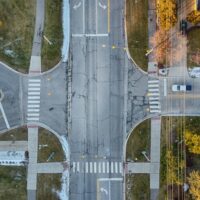
Dangerous intersections pose a significant public safety hazard, often resulting in severe accidents and injuries. When these incidents occur, determining liability can be challenging, particularly when the entity responsible for the intersection’s design and maintenance is a municipal government. Suing a city for a dangerous intersection involves navigating complex legal frameworks, gathering compelling evidence, and demonstrating that the city’s negligence in roadway design directly contributed to the harm. This blog post explores the key elements related to dangerous roadway design liability, and what is required to establish municipal liability in roadway design cases, the legal hurdles plaintiffs face, and the strategies necessary for a successful claim.
Understanding Sovereign Immunity and Exceptions
Cities, like other governmental entities, are typically shielded from lawsuits by sovereign immunity, a legal doctrine that protects governments from civil suits. However, most jurisdictions recognize exceptions to this rule under tort claims acts or specific statutory provisions that allow plaintiffs to pursue claims for injuries resulting from negligence in public infrastructure maintenance and design.
In certain circumstances, there is the municipal duty to fix unsafe road conditions. In California, for example, the Government Claims Act (Cal. Gov. Code § 810 et seq.) outlines that while public entities are generally immune from liability, they can be held responsible for dangerous conditions on public property if specific criteria are met. This exception opens the door for plaintiffs to hold cities accountable for hazardous roadway designs or poorly maintained intersections.
When it comes to overcoming sovereign immunity in negligence claims, plaintiffs must demonstrate that:
- The city was aware of the dangerous condition (or should have been aware through reasonable diligence).
- The dangerous condition posed a foreseeable risk of injury.
- The city failed to take corrective action within a reasonable timeframe.
Establishing Dangerous Intersection Claims
When pursuing litigation against a city for dangerous intersections, the plaintiff must establish that the intersection’s design or maintenance was inherently unsafe and that this dangerous condition directly caused the accident. The following elements are critical to proving liability:
- Proving the Existence of a Dangerous Condition
A dangerous intersection may present various hazards, including:
- Poor visibility due to obstructed signage or foliage.
- Inadequate traffic control devices such as malfunctioning signals or missing stop signs.
- Faulty roadway design leading to sharp turns, confusing lane patterns, or lack of pedestrian crossings.
- Insufficient lighting, increasing the risk of night-time accidents.
Expert testimony from traffic engineers, accident reconstruction specialists, and urban planners is often essential to establish that the intersection deviated from reasonable safety standards.
- Causation and Foreseeability
The plaintiff must link the dangerous condition to the accident by demonstrating that the hazardous design or lack of maintenance was a substantial factor in causing the collision. For example, if an intersection lacks adequate signage, resulting in a vehicle failing to yield and causing a crash, the plaintiff must show that the absence of signage was a foreseeable risk that the city neglected to address. - Notice and Failure to Remedy
Proving that the city had notice of the dangerous condition is crucial. Notice can be established in two ways:
- Actual Notice – Evidence that the city was directly informed of the hazardous condition (e.g., prior complaints, accident reports, or city council meetings).
- Constructive Notice – The city should have known about the condition through reasonable inspections and maintenance protocols.
Courts often scrutinize whether the city had sufficient time to remedy the dangerous intersection after becoming aware of the issue. If a significant period elapsed without corrective action, the city’s inaction strengthens the plaintiff’s case.
Legal Challenges and Defenses
Municipalities often mount robust defenses in roadway design cases, arguing that:
- The design adhered to applicable safety standards and regulations at the time of construction.
- The accident resulted from driver negligence rather than the intersection’s condition.
- Comparative fault – Plaintiffs may bear partial responsibility for their injuries, potentially reducing the city’s liability.
Moreover, municipalities frequently rely on the design immunity defense, which shields them from liability if the roadway design was previously approved by qualified professionals and met legal standards during the planning phase. Successfully countering this defense may involve demonstrating that the design became dangerous over time due to evolving traffic patterns or population growth, rendering the original plan obsolete.
Key Evidence for Strengthening Claims
A strong case against a city for dangerous intersection design hinges on robust evidence, including:
- Accident history reports at the intersection, highlighting a pattern of collisions.
- Traffic studies showing design flaws or inadequate traffic control measures.
- Photographs and videos documenting the hazardous conditions.
- Witness statements from individuals familiar with the intersection’s dangers.
- City records and communications demonstrating knowledge of the issue.
Plaintiffs should also seek testimony from experts who can provide insight into industry standards and point out deviations from best practices.
Settlement vs. Trial Considerations
Due to the complexity of municipal litigation, many dangerous intersection claims are resolved through settlements to avoid prolonged court battles. However, cities may be more inclined to settle if the plaintiff presents overwhelming evidence and demonstrates a high likelihood of success at trial. In cases where settlements cannot be reached, pursuing litigation with a well-documented case and expert witnesses becomes imperative.
Conclusion
Suing government agencies for negligence, in this case, suing a city for dangerous intersections, requires thorough preparation, strategic legal maneuvers, and a comprehensive understanding of municipal liability. By gathering compelling evidence, overcoming sovereign immunity, and proving that the city’s negligence directly contributed to the accident, plaintiffs can successfully hold municipalities accountable for unsafe roadway designs. While these cases are inherently challenging, diligent legal representation and expert testimony significantly enhance the likelihood of achieving justice for victims of dangerous intersections.

